Easy Home Exercises For Beginners
Introduction
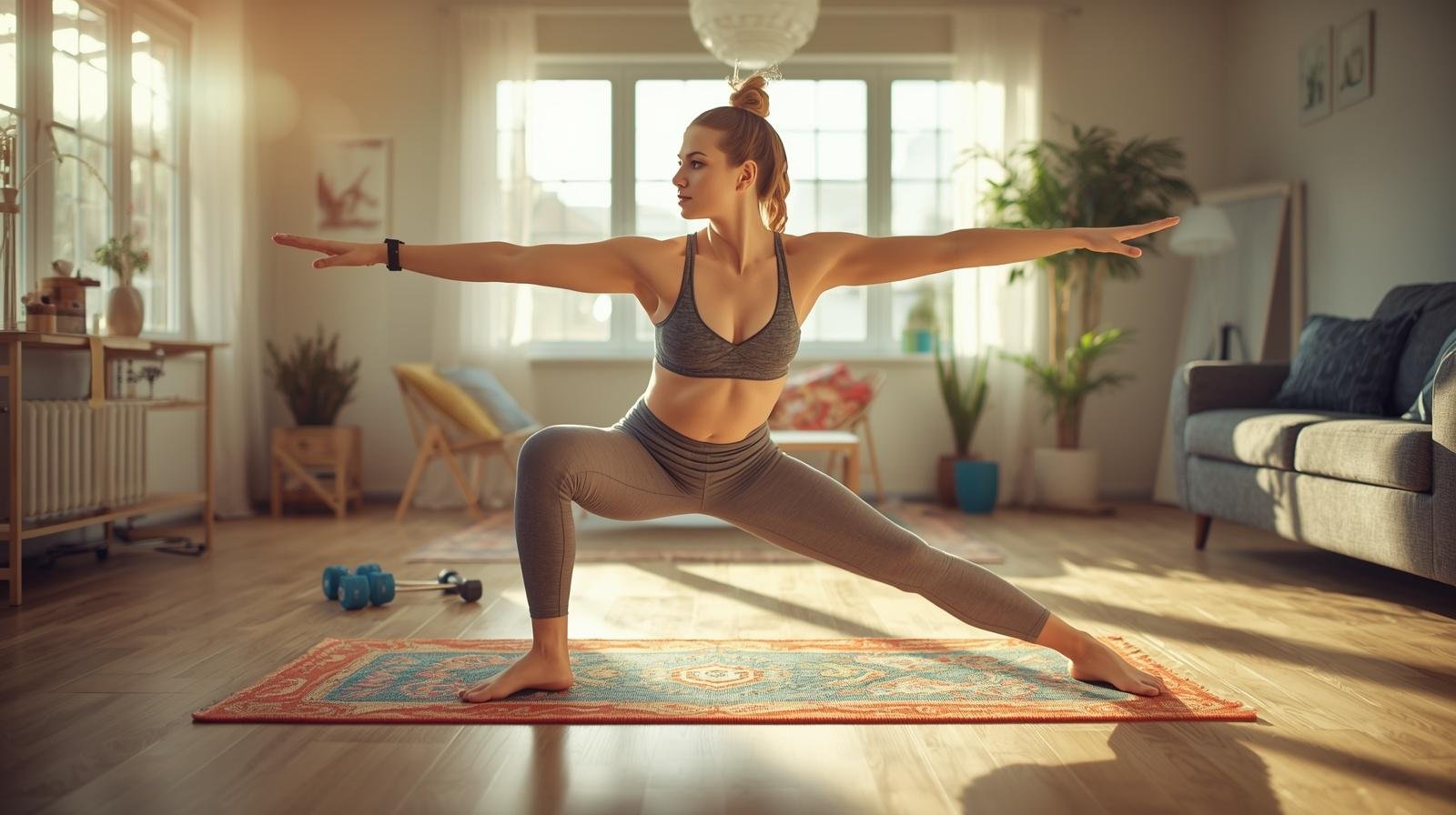
Regular physical activity is an important part of maintaining health and supporting daily movement. Many people believe exercise requires a gym membership, expensive equipment, or advanced training. In reality, beginners can start exercising at home using simple movements that require little space and no special equipment.
Home workouts offer flexibility and convenience. They allow individuals to build exercise habits without traveling to a fitness center. By learning basic exercises and practicing them consistently, beginners can improve strength, mobility, endurance, and overall physical function.
This guide covers easy home exercises for beginners, workout tips, safety practices, and a simple plan to help establish a sustainable exercise routine.
Benefits Of Home Exercise
Home workouts provide several advantages for beginners.
Convenience
You can exercise whenever your schedule allows without commuting.
Cost Savings
Many exercises require no equipment, reducing expenses.
Flexibility
Workouts can be adjusted according to available time and fitness levels.
Privacy
Some people feel more comfortable exercising at home.
Habit Building
Easy access to exercise can increase consistency.
Why Beginners Should Start Slowly
Many people begin exercising with high expectations and attempt difficult workouts immediately. This often leads to discomfort, fatigue, or loss of motivation.
Starting slowly helps:
- Reduce injury risk
- Improve technique
- Build confidence
- Develop consistency
- Allow gradual adaptation
The goal is progress over time rather than immediate results.
Preparing For A Home Workout
Before exercising, prepare your space and body.
Choose A Safe Area
Select a location with enough room to move freely.
Wear Comfortable Clothing
Choose clothing that allows unrestricted movement.
Keep Water Nearby
Hydration supports exercise performance.
Warm Up First
Prepare muscles and joints before beginning.
Simple Warm-Up Exercises
A warm-up helps increase blood flow and prepare the body for activity.
Spend five to ten minutes performing light movements.
March In Place
Lift your knees while moving your arms naturally.
Arm Circles
Rotate your arms forward and backward.
Shoulder Rolls
Move shoulders in circular motions.
Neck Movements
Slowly turn your head from side to side.
Ankle Rotations
Rotate ankles while standing or sitting.
Walking In Place
Walking in place is one of the easiest beginner exercises.
How To Perform
- Stand upright.
- Lift one knee.
- Alternate legs continuously.
- Swing arms naturally.
Benefits
- Raises heart rate
- Improves circulation
- Supports coordination
- Requires no equipment
Perform for one to five minutes.
Bodyweight Squats
Squats strengthen the lower body and support daily activities.
Steps
- Stand with feet shoulder-width apart.
- Push hips backward.
- Bend knees.
- Lower your body.
- Return to standing.
Tips
- Keep your chest up.
- Maintain balance through your feet.
- Move in a controlled manner.
Benefits
- Strengthens legs
- Supports mobility
- Improves functional movement
Start with 8–10 repetitions.
Wall Push-Ups
Wall push-ups are a beginner-friendly version of traditional push-ups.
Steps
- Stand facing a wall.
- Place hands on the wall.
- Bend elbows slowly.
- Move toward the wall.
- Push back to the starting position.
Benefits
- Strengthens chest
- Engages shoulders
- Supports arm strength
Perform 8–12 repetitions.
Chair Squats
Chair squats help beginners learn proper squatting technique.
Instructions
- Stand in front of a chair.
- Lower yourself toward the seat.
- Lightly touch the chair.
- Stand back up.
Benefits
- Improves balance
- Builds leg strength
- Supports movement confidence
Repeat 10 times.
Standing Calf Raises
Calf raises strengthen lower leg muscles.
Steps
- Stand upright.
- Rise onto your toes.
- Pause briefly.
- Lower slowly.
Benefits
- Improves lower-leg strength
- Supports walking
- Helps balance
Perform 10–15 repetitions.
Glute Bridges
Glute bridges target the hips and lower body.
Instructions
- Lie on your back.
- Bend your knees.
- Place feet flat on the floor.
- Lift hips upward.
- Lower slowly.
Benefits
- Strengthens hips
- Supports posture
- Engages core muscles
Complete 10 repetitions.
Bird Dog Exercise
The bird dog develops balance and coordination.
Steps
- Start on hands and knees.
- Extend one arm forward.
- Extend the opposite leg backward.
- Hold briefly.
- Return to the starting position.
- Switch sides.
Benefits
- Supports balance
- Strengthens core muscles
- Improves coordination
Perform 5–10 repetitions per side.
Knee Push-Ups
After mastering wall push-ups, beginners can progress to knee push-ups.
Instructions
- Kneel on the floor.
- Place hands slightly wider than shoulders.
- Lower your chest toward the floor.
- Push back up.
Benefits
- Builds upper-body strength
- Improves endurance
- Prepares for standard push-ups
Perform 5–10 repetitions.
Standing Side Leg Raises
This exercise helps strengthen hip muscles.
Steps
- Stand upright.
- Lift one leg to the side.
- Lower slowly.
- Repeat on the other side.
Benefits
- Improves stability
- Supports balance
- Strengthens hips
Perform 10 repetitions per side.
Plank Hold
Planks strengthen the core and support posture.
Beginner Method
- Position yourself on forearms and knees.
- Keep your back straight.
- Hold the position.
Benefits
- Builds core strength
- Supports stability
- Improves body control
Hold for 10–20 seconds.
Seated Knee Lifts
This exercise is suitable for beginners with limited mobility.
Instructions
- Sit in a chair.
- Lift one knee.
- Lower it.
- Alternate legs.
Benefits
- Encourages movement
- Improves coordination
- Supports lower-body function
Perform for one minute.
Step-Ups
Use a stable step or staircase.
How To Perform
- Step up with one foot.
- Bring the other foot up.
- Step back down.
- Repeat.
Benefits
- Strengthens legs
- Supports endurance
- Improves balance
Perform 10 repetitions.
Basic Stretching Exercises
Stretching helps maintain mobility and flexibility.
Hamstring Stretch
Reach toward your toes while seated.
Quadriceps Stretch
Pull one foot behind you while standing.
Shoulder Stretch
Bring one arm across your chest.
Chest Stretch
Open your arms and stretch gently.
Hold each stretch for 15–30 seconds.
Beginner Cardio Exercises
Cardio activities support heart and lung function.
Walking
One of the simplest forms of exercise.
Marching In Place
Requires no equipment.
Dancing
A fun way to stay active.
Step Touches
Move side to side in a steady rhythm.
Stair Climbing
Uses body weight for resistance.
Creating A Beginner Home Workout
Warm-Up (5 Minutes)
- March in place
- Arm circles
- Shoulder rolls
Main Workout
- 10 Chair Squats
- 10 Wall Push-Ups
- 10 Calf Raises
- 10 Glute Bridges
- 10 Side Leg Raises
- 20-Second Plank
Cool Down (5 Minutes)
- Gentle walking
- Stretching exercises
Weekly Beginner Exercise Schedule
Monday
Full-body workout
Tuesday
Walking and stretching
Wednesday
Full-body workout
Thursday
Light movement and stretching
Friday
Full-body workout
Saturday
Walking or recreational activity
Sunday
Rest and recovery
Common Beginner Mistakes
Doing Too Much Too Soon
Progress gradually.
Skipping Warm-Ups
Always prepare your body before exercise.
Ignoring Technique
Proper form helps prevent injury.
Inconsistent Exercise
Regular practice produces better results.
Comparing Yourself To Others
Focus on personal progress.
Staying Motivated
Maintaining motivation helps create long-term exercise habits.
Set Realistic Goals
Choose goals that match your current fitness level.
Track Progress
Record workouts and improvements.
Celebrate Milestones
Recognize achievements along the way.
Exercise At Consistent Times
Routine increases adherence.
Focus On Consistency
Regular movement matters more than perfection.
Safety Tips For Beginners
- Start with manageable workouts.
- Listen to your body.
- Rest when necessary.
- Stay hydrated.
- Use controlled movements.
- Maintain proper posture.
- Stop exercising if you experience pain.
If you have existing medical concerns, consult a healthcare professional before starting an exercise program.
Signs Of Progress
Beginners often notice improvements such as:
- Increased stamina
- Better balance
- Improved movement
- Greater strength
- Easier completion of daily tasks
- More confidence during exercise
Progress may occur gradually, so consistency remains important.
Long-Term Benefits Of Home Exercise
Regular home workouts can support:
- Physical strength
- Mobility
- Balance
- Endurance
- Functional movement
- Daily activity performance
Building a routine today can contribute to maintaining movement and independence over time.
Conclusion
Easy home exercises provide a practical starting point for beginners who want to become more active. Simple movements such as walking in place, chair squats, wall push-ups, calf raises, glute bridges, and stretching exercises can be performed with little space and no equipment.
Success comes from consistency rather than intensity. By starting with basic exercises, following proper technique, and exercising regularly, beginners can build strength, improve mobility, and develop healthy movement habits that support long-term fitness goals.