Natural Boosts to Your Immune System
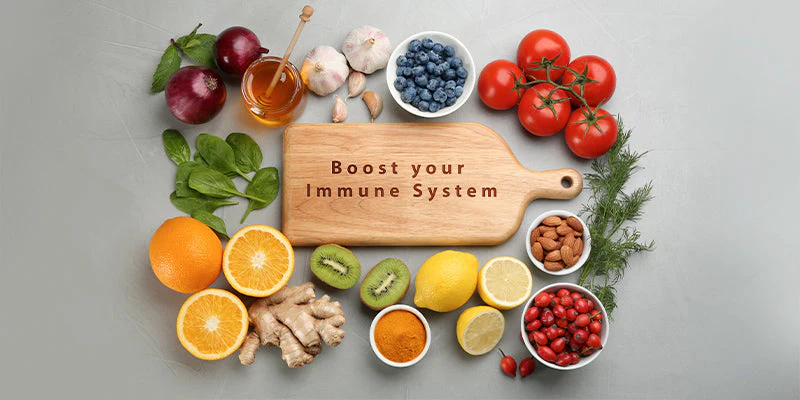
A strong immune system is your body’s best defense against illnesses and infections. Especially in times when health feels fragile, naturally supporting your immune system can make a big difference. While there’s no magic cure, simple lifestyle choices and natural remedies can help keep your immune defenses strong and ready.
In this blog, we’ll explore easy, natural ways to boost your immune system every day. From foods and herbs to habits and self-care, these tips can help you feel healthier and more resilient.
How the Immune System Works
Your immune system is a complex network of cells, tissues, and organs that work together to fight off harmful bacteria, viruses, and other invaders. It recognizes threats, attacks them, and remembers them to protect you in the future.
A strong immune system can respond quickly and effectively to infections. But when it’s weakened by stress, poor nutrition, or lack of sleep, you may get sick more often or take longer to recover.
Natural Foods That Strengthen Immunity
One of the best ways to support your immune system is through a healthy diet rich in vitamins, minerals, and antioxidants.
1. Citrus Fruits
Oranges, lemons, grapefruits, and limes are packed with vitamin C, which is known to boost white blood cell production. White blood cells help fight infections. Eating citrus regularly helps keep your immune system alert.
2. Garlic
Garlic has natural antimicrobial and immune-boosting properties. It contains compounds like allicin that help fight infections and reduce inflammation. Adding fresh garlic to meals is a simple way to get these benefits.
3. Ginger
Ginger is well-known for its anti-inflammatory and antioxidant effects. It supports the immune system by helping reduce inflammation and fighting off harmful microbes.
4. Yogurt and Probiotics
A healthy gut is key to a strong immune system. Yogurt contains probiotics—good bacteria that support digestion and help train your immune system. Look for yogurts with live and active cultures.
5. Leafy Greens
Spinach, kale, and other leafy greens are rich in vitamins A, C, and E, as well as antioxidants that protect immune cells from damage.
6. Nuts and Seeds
Almonds, sunflower seeds, and walnuts provide vitamin E and healthy fats that support immune function. Vitamin E acts as an antioxidant, protecting cells and boosting immune responses.
7. Turmeric
Curcumin, the active ingredient in turmeric, has powerful anti-inflammatory and immune-supporting properties. Use turmeric in cooking or as a tea to enjoy its benefits.
Herbs That Support Immunity Naturally
Herbs have been used for centuries to strengthen the immune system. Here are some effective herbal allies:
Echinacea
Echinacea is one of the most popular herbs for immune support. It’s believed to increase white blood cell activity and help the body fight infections faster.
Elderberry
Elderberry syrup or tea is known for its antiviral properties. It may help reduce the duration and severity of colds and flu.
Astragalus
Astragalus root is an adaptogen, helping the body manage stress while boosting immune function.
Ginger and Garlic
As mentioned before, these common kitchen herbs are also powerful immune boosters when taken regularly.
Green Tea
Rich in antioxidants called catechins, green tea supports immune health and helps fight infections.
Lifestyle Habits to Strengthen Your Immune System
Besides foods and herbs, your daily habits have a huge impact on your immune health.
1. Get Enough Sleep
Sleep is vital for immune function. During deep sleep, your body produces protective cytokines and infection-fighting cells. Aim for 7-9 hours of quality sleep each night.
2. Manage Stress
Chronic stress can weaken the immune system by increasing inflammation and reducing the body’s ability to fight germs. Practice relaxation techniques such as deep breathing, meditation, or yoga.
3. Exercise Regularly
Moderate exercise boosts circulation, reduces inflammation, and improves immune surveillance. Aim for at least 30 minutes of activity most days.
4. Stay Hydrated
Water helps your body flush out toxins and supports all your cells, including those in your immune system. Drink plenty of fluids daily.
5. Avoid Smoking and Limit Alcohol
Smoking damages immune cells and increases infection risk. Excessive alcohol intake also weakens immune defenses.
Natural Supplements for Immune Support
If you want to add supplements, some natural options may help—but always check with a healthcare provider first.
- Vitamin C: Supports white blood cells and antioxidant protection.
- Vitamin D: Plays a role in activating immune defenses. Many people have low levels, especially in winter.
- Zinc: Important for immune cell development and function.
- Probiotics: Boost gut health and immune responses.
Supplements are best used to fill gaps in diet, not replace healthy eating.
Herbal Teas to Sip for Immunity
Drinking herbal teas is a soothing way to get immune-boosting herbs daily.
- Ginger and lemon tea: Anti-inflammatory and rich in vitamin C.
- Echinacea tea: Supports immune cell function.
- Elderberry tea: Antiviral and rich in antioxidants.
- Green tea: Provides catechins and hydration.
Try making a cup daily as a comforting immune tonic.
Home Remedies to Boost Immunity Naturally
Simple home remedies can also support your body’s defenses.
- Honey and lemon in warm water: Soothes throat and provides antioxidants.
- Garlic and ginger infusion: Simmer crushed garlic and ginger in water for 10 minutes and drink.
- Warm turmeric milk: Mix turmeric with warm milk or plant-based milk for a comforting anti-inflammatory drink.
These easy remedies combine healing herbs and comfort.
Final Thoughts
Supporting your immune system naturally is about consistent, simple habits. Eating a colorful diet rich in fruits, vegetables, and herbs; managing stress; getting enough sleep; and staying active can all help you stay strong and healthy.
Herbs and natural remedies are wonderful tools to include but remember that your immune system thrives best when you take care of your whole body and mind. Start with small changes and build your daily routine around these natural boosts.
Here’s to your health and natural strength!